[tubepress mode=”tag” tagValue=”لايف كلينيك علاج السمنة الموضعية – د/ وائل صقر”]
المدونة
-

بعد شهر من اجراء عملية زراعة الشعر
على الرغم من أن الحديث عن جميع عمليات زراعة الشعر بأنها أمنة إلا أنه لابد من معرفة الاثار الجانبية وماذا سوف يحدث بعد شهر من إجراء الجراحة وذلك حتى تكون رؤيتك للجراحة واضحة لا يشوبها أى خوف أو قلق منها وأيضا تجعلك قادرا على التعامل مع أى أثر أو أى شىء غير متوقع حدوثه حتى تضمن جراحة ناجحة خالية من أى مشاكل لك.
من المعروف أن عملية زرع الشعر تكون فيها منطقتين المنطقة المتلقية (المستقبلة) والمنطقة المانحة للمنطقة المزروعة فبعد شهر من الجراحة وإجراء عملية زرع الشعر تظهر كل منطقة منهم على النحو التالى:
المنطقة المتلقية (المستقبلة): تبدو طبيعية تمامأَ وتتلاشى فيها كل الاوردة الوردية حتى أنك لا تستسطيع تحديدها ، يبدأ ظهور عدد قليل جدا من الشعر وتصبح المنطقة طبيعية الملمس بدون أى الم أو حساسية.
المنطقة المانحة: يختفى الشد فيها وترجع إلى طبيعتها، ويمكنك الان فى الرجوع إلى روتينك الطبيعى.
وعلى الرغم من أن جراحة زرع الشعر أمنة جداَ ومع خبرة الطبيب القائم بالجراحة تنعدم الاثار الجانبية ، لكن الاثار الجانبية لزرع الشعر عادة ضئيلة ويمكن بسهولة التعامل معها وذلك بالادوية الموصوفة من قبل الطبيب الخاص بك.
وجميع الاثار الجانبية لزرع الشعر مؤقتة. وذلك لان إجراءات زرع الشعر إجراءات سهلة نسبياَ .
المضاعفات والاثار جانبية لعملية زراعة الشعر
- يحدث ترقق مؤقت للشعر ويسمى أيضاَ بفقدان الصدمة فبعد أن كانت المنطقة صلعاء يبدأ ظهور الشعر ، وهذه حالة طبيعية بعد العملية فالسمك يعود فى غضون بضعة أشهر بعد الجراحة . حيث أن لا يزيدزراعة الشعر من العدد الإجمالى للشعر على الرأس ولكنها تعمل على إعادة توزيعها فقط.
- قد يحدث أيضاَ ندبات فى الجذور بعد جراحة زرع الشعر ، ونادراَ جداَ قد تأخذ تلك الندبات شكل التلال.
- يحدث أيضاَ تورم فى فروة الرأس وذلك بعد الجراحة . وقد يغطى التورم الجبين وأحياناَ يصل حتى العينين ، وهذا يستمر لبضعة أيام فقط.
- قد تحدث حكة شديدة وهو أمر شائع جدا بعد زرع الشعر. فانها عادة ما تكون بسبب تشكيل قشرة بسيطة فى فروة الرأس .ولاتستمر لاكثر من بضعة أيام وتزول عند غسل الشعر بالشامبو.
- وأخر الاثار الجانبية شيوعا وذلك بعد جراحة زرع الشعر هو الحدوث بالخدر أى يشعر بتأثير عملية التخدير ويمكن أن تستمر لعدة أسابيع بعد الجراحة .
- ومن الاثار الجانبية أيضاَ قد يشعر المريض بالدوخة إلى حد حدوث سقطات مستمرة ولكنها لا توجد هذه المشكلة إلا فى حوالى خمسة فى المئة من المرضى هم الذين لديهم هذه المشكلة.
- يمكن أن تظهر فى المناطق التى يتم زرع الشعر فيها أو ما تسمى أيضا بالمنطقة المستفيدة خراجات . وهى عادة لا تستمر أكثر من بضعة أسابيع ونادراَ ما تكون حجمها أكبر من حجم البثور الصغيرة . فلا تضغط عليها لانها يمكن أن تتلف بصيلات الشعر بشكل دائم.
- قد تحدث عدوى ولكن نادراَ جداَ حيث يتم إعطاء كمية لا بأس منها من المضادات الحيوية قبل وبعد العملية وهذا عموماَ يمنع أى ظهور لأى نوع من أنواع العدوى.
- وفد تشمل الاثار الجانبية أيضاَ بعض النزيف وهو يدوم لبضع ساعات . وفى حالات نادرة إذا لم يتوقف النزيف يكون من الضرورى للجراح القيام ببعض الخياطة الاضافية لاغلاق الجروح.
- قد يحدث شعور بالالم ولكن لن تحتاج لمسكنات فهذا أمر طبيعى .وفى حالة أخذ مسكنات تأخذ لبضعة أيام وتكون مسكنات خفيفة.
- يمكن أن يحدث نزيف وذلك فى حالة شد الشعر بقوة أو سحب الشعر بإحكام لان الشعر فى البداية عند الزرع يكون حساس للغاية ،بحيث يمكن سحبها بسهولة.
- حتى لا تلحق أى ضرر بالمنطقة المزروعة نتيجة النوم على الوسادة والاحتكاك بها فلابد من النوم مع الحفاظ على رأسك والرقبة فى حالة تصاعدية.
- قد يلحق الضرر بالمنطقة المزروعة وذلك فى حالة المجهود القوى أو ممارسة التمارين الرياضية.
- قد يحدث تهيج فى المنطقة المزروعة نتيجة استخدام كريم على الشهر أو استخدام مجففات الشعر فلابد من عدم استخدام أى كريم على شهرك لمدة شهر على الاقل.
- قد يصعب التئام الجرح ويمكن أن تزيد فرص الاصابة أو الندب وذلك فى حالة التدخين أثناء الانتعاش.
- عند الاتصال المباشر مع الشمس قد يعرض المنطقة المزروعة لمشاكل كثيرة.
نصائح يجب اتباعها لتجنب الوقوع فى تلك المشاكل
- تأكد من اختيار عيادة تكون صحية وذات أجهزة ومرافق حديثة .
- تأكد من العيادة أنها تطبق اللوائح وأن العملية سوف تتم من قبل الطبيب نفسه لا الفنيين.
- تأكد أن الطبيب لديه الكثير من الخبرة لعمل هذا الاجراء.
- تأكد من أن الطبيب هو الذى سوف يأخد العينات بنفسه.
لذا فبعد عملية زرع الشعر ينبغى أن تعطى لها الوقت الكافي للتعافى السريع وتجنب أى عدوى قد تحدث ، حيث أن التعافى من جراحة زرع الشعر يأخذ يوم أو يومين.
باتباعك ارشادات الرعاية السابق ذكرها بإجراء العملية الجراحية يمكنك أن تقلص إلى حد كبير من الاثار الجانبية وتؤدى إلى شفاء مرضي لك وسريع أيضاَ.
وحيث أن جراحة زراعة الشعر يمكن أن تكون الجواب على أي شخص للتعامل مع قضايا فقدان الشعر لتستعيد الثقة بالنفس.
و على الرغم من أن احتمالات وجود جميع الآثار الجانبية المذكورة أعلاه هي صغيرة للغاية، ولكن يجب أن تكون على بينة من العواقب المحتملة بعد أن يمر مع هذا الإجراء.
للنشر على مجلة الملكة الثقافية اتصل بنا الآن
-
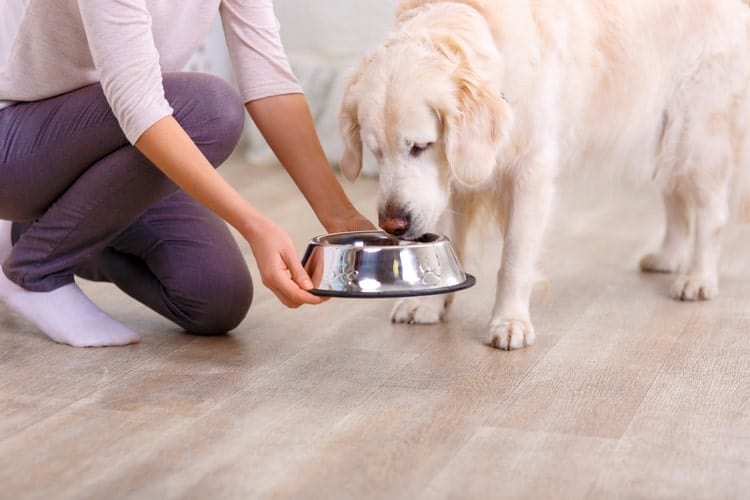
Cancer and other health issues in dogs
A cancer diagnosis for your dog is a terrifying prospect. When investigating a dog’s illness and discovering a diagnosis of cancer, it’s stressful and draining for everyone involved. As sad as it is, cancer is the leading cause of death for dogs older than ten years.
Some forms of cancer have symptoms that are similar to those of other diseases, making it difficult to pinpoint the precise origins of many canine health issues. If only Fido could point out the sore spot! Given that they can’t, here are some indicators to keep an eye out for so that you can get help sooner rather than later.
Warning Signals New or changing lumps, nausea, vomiting, diarrhoea, incontinence, bleeding, unusual drainage, fatigue, loss of appetite, and altered gait or balance are all things to keep an eye out for.
Cancer can spread to your dog’s gastrointestinal tract, skin, blood, lymph nodes, etc. just as easily as it does to humans. The disease appears to affect different breeds differently. Some dog breeds are more predisposed to health issues than others, and genetics play a role. This is especially true for larger and giant dog breeds like Cocker Spaniels, Boxers, and Golden Retrievers.
Studying Canine Genetics
Many people’s lives are directly affected by the ongoing fight against cancer. Almost everyone has a friend or family member who has battled this terrible illness. Those of us who treat our pets like children are well aware that canines can also develop cancer.
Due to their high degree of genetic similarity to humans, dogs are just as susceptible to developing cancer as we are, and they also share many of the same symptoms and therapeutic responses. Dogs have a far lower life expectancy than humans, thus their survival duration after being diagnosed with cancer is likewise much shorter.
This is especially painful when it’s a beloved pet, but it has opened up exciting new avenues for the study of cancer and potential treatments. To evaluate the effectiveness of medicines, researchers can do so in a condensed time frame because to the rapidity with which the illness advances in dogs.
Many dog owners feel they have exhausted all other treatment options and are eager to enrol their pet in a clinical study to test a new medicine for canine cancer.
The genomes of many dog breeds have previously been studied by experts, so it is possible that this knowledge may provide insights to the causes of one of the most feared canine health issues, leading to solutions for people as well.
Keep in mind that there are a variety of health problems that might have the same symptoms when you notice anything out of the ordinary with your dog. Stay calm. Get in touch with your vet for an examination to put your mind at rest and treat any problems your dog may be experiencing.
It may be time consuming and expensive to investigate and rule out all potential health concerns in a dog. Each individual must decide for themselves how far they are ready to go to protect their cherished pet. Even if they get the devastating news that they have cancer, they may take solace in knowing that their ordeal may one day benefit others.
Canine Illnesses and Diseases: Frequent Canine Ailments
As much as every dog owner hopes their pet has a long and healthy life, it seems that illness and injury are just a part of life. Certain dog breeds are more likely than others to experience the unexpected onset of a health problem.
A dog’s health may be impacted by factors such as age, nutrition, and way of life. Many common canine health issues are not immediately fatal. You’ll find a list of some of the most typical problems below.
Deafness: Puppies may inherit the gene for deafness, or the problem might develop at a later age. Degeneration of the inner ear’s nerves is the root of hereditary deafness. Dalmatians, Border Collies, Australian Shepherds, English Setters, and Shetland Sheepdogs are all at risk for inheriting deafness. The most efficient technique to deal with a deaf dog is to teach it to respond to hand gestures instead of vocal orders.
Arthritis:
Arthritis is caused by inflammation in the joints. Joint inflammation may result from overuse, injury, or infection. Swelling or stiffness of the afflicted region, limping, yelping with movement, or a lack of motivation for physical activity owing to acute pain are common symptoms.
Arthritis symptoms are more common in larger dogs and canines, especially those who are of a working type or are very active. Canine arthritis may also be caused by Lyme disease or hip dysplasia. Changing a dog’s food or giving it anti-inflammatory medicines are only two of the current therapeutic options.
Constipation:
This is a widespread problem among dogs of all breeds. Constipation in dogs may be caused by improper nutrition, dehydration, pharmaceutical side effects, or the ingestion of harmful substances. When used as a first aid measure, liquid paraffin may help relieve your dog’s constipation.
Parasites:
Canines across the globe are threatened by several parasites. Canine parasites include fleas, heartworms, roundworms, hookworms, tapeworms, whipworms, and ticks. Since a general rule, you only need one dose of medication to get rid of worms, as most dewormers work on a wide variety of different worms.
To combat both ticks and fleas, a canine-specific repellent is all that’s needed. Since all dogs are susceptible to being infected by these parasites at any moment, preventative steps should be done to limit the chance of infection.
Viruses:
Toys and excrement contaminated with the canine parvovirus may spread the illness from dog to dog. Parvo’s early symptom is bloody diarrhoea. A dog with this condition may not make it to its third birthday.
The spread of this illness has been significantly reduced by current immunizations, but it has not been eradicated. Vaccines have also shown to be effective in preventing distemper. Puppies are more vulnerable, with fatalities averaging 80%, while adult dogs have a 50% chance of succumbing to this illness. Keeping your dog up-to-date on vaccinations is the best way to prevent him from harmful viruses.
Dysplasia of the hip
Hip dysplasia often occurs when there is a breakdown in the normal interaction between the ball and socket of the hip joint. Because of the hereditary nature of the disorder, kids of parents who already display symptoms are likely to share the ailment with their parents.
The symptoms of hip dysplasia are similar to those of arthritis, but they are accompanied with an abnormal stride and a tendency to bunny-hop instead of run.
The loose ball and socket can be successfully repaired surgically in some dogs; in others, a special diet and/or medication are required. Most of these canine health issues are easily diagnosed by a vet and treated, allowing the dog to continue living a long and happy life.
للنشر على مجلة الملكة الثقافية اتصل بنا الآن
-
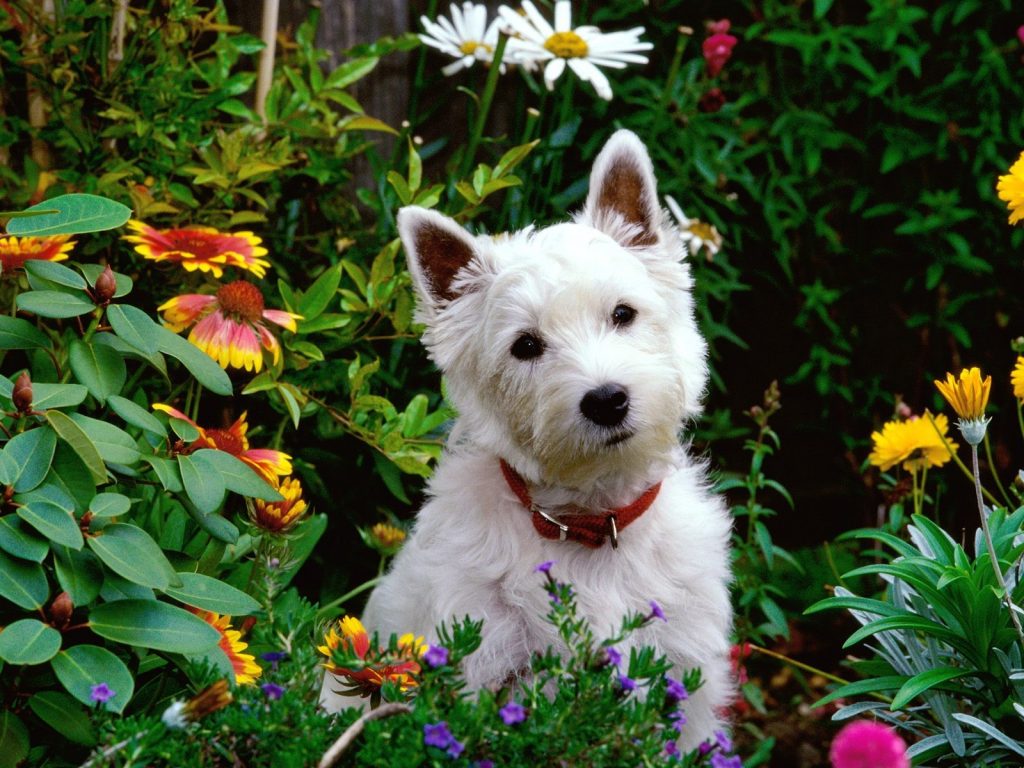
Here are 5 Dog Health Issues to Keep an Eye On
You want what’s best for your dogs because you’re responsible pet owners. However, even with the most attentive care, they are still susceptible to a variety of diseases and conditions.
Your dog’s life may not be as enjoyable if he or she suffers from one of these illnesses. It may even be fatal or incapacitating in extreme cases. There are many potential health issues for dogs, but the five listed here are the most critical to monitor.
Difficulties in the Bones
As with people, ageing dogs can develop bone issues. Osteoporosis and arthritis, for example, can be extremely problematic if left untreated. You may notice your dog limping as a result of the pain he or she is experiencing.
As luck would have it, these diseases are simple to avoid. Bone issues can be avoided or at least not progressed further by maintaining a healthy weight and getting regular checkups.
An allergic reaction
Dogs, like humans, can develop sensitivities to environmental factors such as pollen or dust. Because they can cause itchy skin and difficulty breathing, allergens can quickly become intolerable.
There are numerous routes of ingestion for allergens. Once internalised, allergens can trigger a variety of symptoms in a dog, from itchy skin to organ failure. This is why it’s critical to get in touch with your dog’s vet right away. The underlying cause of such allergies can be identified with their help.
Diabetes
Diabetes is also a problem for canine companions. Similar factors to those that cause diabetes in humans are usually to blame. Among these are heredity, nutrition, and inactivity. Similarities in symptoms include pain, slow wound healing, and the development of secondary infections and illnesses. Treatment of diabetes can be challenging and calls for careful attention to health. However, regular exercise and a healthy diet can help prevent this from happening.
Obesity
Due to the widespread belief that a healthy dog’s weight should be somewhere between ideal and ideal, this is one of the most underappreciated canine health issues. Dogs can be unhealthy if they gain too much weight.
Health problems as varied as arthritis, diabetes, and heart disease can all be brought on by this. Dogs with weight problems need regular exercise and a healthy diet to overcome their condition. If you start early enough, you can train your puppy to enjoy regular exercise.
Cancer
Even your dog is susceptible to the disease. You should be very concerned about your dog contracting this disease. Dogs can develop cancer for a variety of reasons. They are frequently diagnosed way too late. In many cases, the cancer has already reached an advanced stage, making it impossible for veterinarians and owners to provide adequate treatment.
How to Maintain Your Dog’s Health
Canines experience the same range of health problems that people do. In contrast to the lack of a universal cure for health issues in dogs, there are numerous treatments available. Preventive measures, effective treatment methods, and constantly working with a veterinarian can greatly help in keeping dogs healthy and happy.
Concerning the Health of Dogs: Frequently Asked Questions
Given that a healthy dog can live up to 20 years, dog ownership is a long-term commitment. Many dog owners regard their pets like part of the family, and for good reason. Dogs are wonderful companions and add much happiness to their owners’ lives, as well as being loyal, lovable, and protective. Actually, some research suggests that dog owners may expect to live up to seven years longer than the general population.
As a dog owner, it is your responsibility to educate yourself on your pet’s needs and behaviors to ensure he or she lives a long and healthy life, especially given the many advantages dogs offer to humans.
The following questions and answers on dog health should help you gain a better understanding of how you can ensure your dog stays healthy.
Can you tell me what unique care needs pups have?
Dogs under two years of age are often considered puppies. The most crucial fact to remember is that your puppy has to be vaccinated on a regular basis.
Your puppy has to be immunized against a variety of diseases that may be fatal to a young dog, including rabies, parvovirus, and others. It’s important to limit your puppy’s contact with other animals as much as possible until he or she has finished the recommended vaccination series.
Socializing your puppy to other dogs, people, and new experiences is important so that he or she does not become scared or aggressive as an adult since puppies are naturally interested and love to chew. If you’re the proud new parent of a puppy, there’s one more thing you need to do: have your pet spayed or neutered.
What I feed my dog has an impact on its health?
To maintain a healthy body and mind, canines, like their human counterparts, require a balanced diet high in protein and other essential nutrients. Dogs can develop food allergies to specific ingredients or components, or they can experience a negative reaction to a diet that is too high in grains or otherwise fails to provide them with the nutrients they require. To maintain your dog’s health, it’s recommended that you feed him high-quality kibble. It’s important to keep an eye on your dog’s weight to prevent obesity.
If my dog is overweight, how can I tell?
There are breed-specific weight guidelines that can help you determine if your dog is at a healthy weight. Run your hands along your dog’s side and you shouldn’t feel more than a few ribs.
What potential diseases should I be aware of?
Like humans, dogs are susceptible to illness. The problem may be minor and go away on its own, but in other cases, your dog may be seriously ill and require veterinary care.
Dogs can be surprisingly strong when it comes to trying to conceal their pain, so it’s important to keep a close eye out for any indications that something might be wrong. When you notice something is wrong, it’s best to consult with a vet either in person or by asking questions of a licenced veterinarian online.
You and your dog may have many happy years together if you remember the advice in this Q&A on canine health.
للنشر على مجلة الملكة الثقافية اتصل بنا الآن
-
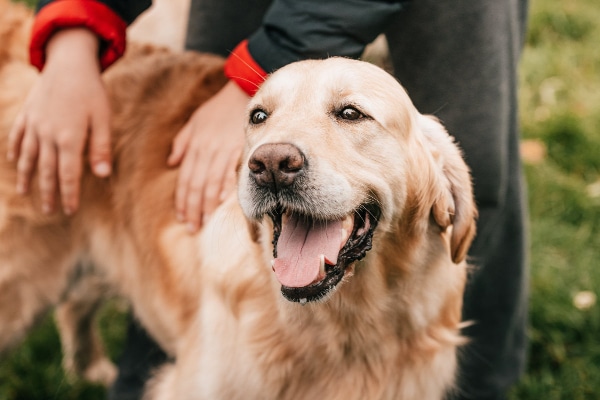
Proper Dog Health Care To Boost Dog Health
One of the greatest privileges anyone can enjoy is taking care of a pet. Some people who own these animals consider them to be close friends.
They go great with food and provide entertainment that can’t be matched. Even in the midst of your darkest hour, you can find solace in the company of one of these furry friends. Having a pet is a wonderful blessing.
As pets go, dogs are popular among people. Those who take the time to learn how to properly care for their dogs will have the world’s healthiest and most well-behaved canine companions. However, caring about the dog’s well-being is an essential part of dog ownership.
Maintaining a dog’s health is possible with the right kind of attention. Your dog will place a high value on it. You can make your dog robust and healthy by providing it with the care it needs. Unfortunately, some dog owners’ self-centeredness is to blame for the plight of some dogs. Dogs get very little of our attention.
The prevalence of dogs with health problems like allergies and malnutrition can be traced back to owners who don’t invest enough time, effort, affection, and healthy dog habits into their pets.
As with any pet, it’s crucial that you provide your dog only the best in nutritious food. Don’t put your dog’s health in the hands of commercially available dog food. Chemicals included in these products may severely harm your dog’s health.
In order to maintain or enhance your dog’s health, it is best to feed them a diet consisting only of meat and vegetables. Dogs shouldn’t be fed in excess. Indigestion is a common result of overeating. Dogs with dyspepsia never have it easy. Bring them in to see a vet so they can get some relief from the pain. Make sure your dog gets enough of food at regular intervals.
Keeping your dog clean and healthy is also essential. You need not give him a bath on a daily basis. Dogs only need to be bathed twice or three times weekly. Use dog shampoo since it has the ideal pH level for canines.
An allergic response or severe hair loss are only two of the potentially disastrous effects of using human shampoo. Use flea shampoo to treat your dog if it has been infested with fleas. It’s important to choose those with a reputable brand name since not all of them are reliable. The value of your dog’s health cannot be overstated.
The Dangers of Grapes and Nuts for Your Dog’s Health
This is how the ASPCA’s most recent study on potentially harmful meals for dogs starts. Magoo apparently helped himself to a pound’s worth of raisins from the cupboard. Unsurprisingly, he consumed the whole thing.
Magoo’s fate is never discussed by the ASPCA. However, we have been informed that even a little amount of raisins may have a devastating effect on dogs. To a lesser extent, the grape.
Really, Who Knew?
The family pets were the “first cycle of the dishwashing” in my mind when I was a kid. There was no need to worry about giving them “people food,” as they were patiently waiting for us to finish our meals before helping themselves to the scraps. Never did we think that the scraps we fed our dog might have an impact on his or her health. We reasoned that if it was safe for us to consume, then it must also be safe for our animals.
In addition, I always made sure to share a few grapes with our German Shepherd “Tiffany” whenever I ate them. Tiffany, ever the good sport, kept trying to eat a bunch of grapes despite the fact that they kept flying out of her mouth and she never got a single one to submit until she squashed it. You could count on having a good time for at least a minute.
Tiffany enjoyed chewing gum (she chewed it, wrapper and all, but never swallowed it). We consumed the sugar-free variety, which is typically sweetened with xylitol these days.
It’s possible that I accidentally poisoned the family pet. (Read on for more about xylitol.)
If grapes are so bad for you, why do you think they taste so good?
No one knows for sure why grapes and raisins are bad for you. It has been shown that grapes, especially those cultivated without the use of fertilisers or pesticides, are nonetheless harmful to dogs. But not always and not with every dog. It’s also unclear if even consuming a little quantity regularly may have an adverse impact.
We do know that acute renal failure is the ultimate outcome of almost all instances of grape or raisin intoxication. (The disease is severe and develops rapidly, thus the word “acute.”) As a result, the dog is unable to urinate, rendering them unable to filter harmful substances from their bodies.
Over the corse of the study’s twelve-month timeframe, the ASPCA Animal Poison Control Center responded to 140 calls about canine poisoning. One-third or more of the dogs showed symptoms, which included diarrhoea, vomiting, and even renal failure in seven cases.
This ASPCA research relied on anecdotal evidence, so it’s possible that there are situations in which grape consumption has no ill effects on a dog’s health. The Society recommends that no quantity of grapes or raisins be given to pets until more research is conducted.
It just takes an ounce of precaution to avoid trouble.
That means your canine pal is the proud new owner of a large box of raisins. To what end does one’s pet’s owner find themselves?
To combat the effects of recently consumed grapes or raisins, the first line of defence is to induce vomiting and provide activated charcoal (it absorbs toxins in the GI tract).
If your dog has already started vomiting, you know he or she is in danger and may start administering activated charcoal straight away. (If you’re out of activated charcoal, charring a slice of toast until it’s black and crumbly works in a pinch.) Then you should immediately contact your vet.
In order to ensure that your dog’s blood chemistry remains stable, the doctor will keep him on intravenous fluids for at least 48 hours. Once the bloodwork comes back normal after 3 days, it’s likely that your dog is OK.
Keeping a sharp eye on your pet is the greatest approach to ensure its safety. Dogs (and other pets) are no different from children in that they tend to get into trouble while no one is watching.
In Other Words, It’s Not Just the Grapes…
Your dog shouldn’t eat a wide variety of things, some of which you may not even realise.
Further examples of potentially hazardous meals for a dog’s health are as follows:
Chocolate
No one can say no to chocolate. Your dog is part of the family whether you like it or not.
Theobromine, a substance found in cocoa beans, is poisonous to dogs. This is why chocolate is bad for Fido. The health effects of chocolate on dogs vary depending on the kind of chocolate.
The theobromine content of dark chocolate is the highest, at 450mg (compared to 1mg for white chocolate). Eating all the Valentine’s Day chocolates oneself is a nice gesture for your closest friend.
Composted Cocoa Shells
Mulch is often created from cocoa bean shells, a byproduct of the chocolate industry that has found its way into the “foods” category. Mulch is popular among homeowners because it serves as a decorative accent, releases a pleasant aroma, and decomposes into a useful organic fertiliser. However, the theobromine it contains makes it appealing to certain canine palates.
Unhealthy, high-fat meals
An overworked pancreas is a major contributor to the painful condition known as pancreatitis in dogs. In extreme cases, this may be deadly for your dog.
Nuts
You should stay away from macadamia nuts. Due to their high phosphorus level, most nuts are harmful to a dog’s health and may cause him to develop bladder stones.
Mulch
Even while mulch isn’t really food, there is a certain kind that dogs find irresistible. Some canines find cocoa mulch appetising and may consume large amounts of it. Theobromine (the poison) may be found in coca bean shells at concentrations ranging from 0.2% to 3%, although in raw beans it can reach as high as 4%.
Onions
Dogs may get hemolytic anaemia if they eat onions, particularly raw onions. Source: (Textbook of Veterinary Internal Medicine, Volume 2, Page 1884, by Stephen J. Ettinger, D.V.M. and Edward C. Fieldman, D.V.M.) You should also avoid using onion powder.
Potatoes
Human and canine cases of potato poisoning are very uncommon, although they do happen. Green sprouts (which develop in sun-exposed tubers) and green potato skins are the sole sources of the toxin solanine, and it is poorly absorbed. The lack of incidences is probably due to this. Keep in mind that mashed potatoes, once cooked, are perfectly safe for a dog’s health.
Substitute Sugars and Sweeteners
Many items, including sugar-free gum and chocolates, employ xylitol as a sweetener. When dogs consume significant quantities of xylitol-sweetened items, they risk experiencing a hypoglycemic reaction that manifests as sadness, clumsiness, and even seizures due to a decrease in blood sugar levels.
“These indications may emerge rather fast, at times less than 30 minutes after consumption of the substance,” says Dr. Eric K. Dunayer, a consultant veterinarian in clinical toxicology for the poison control centre; “…hence, it is vital that pet owners seek veterinary care promptly.”
It is believed that the high fat content of turkey skin is responsible for the development of acute pancreatitis in canines.
The American Society for the Prevention of Cruelty to Animals also warns against certain foods.
Spirits and other alcoholic drinks
Avocado (the sole “fatty” member of the vegetable family) (the only “fatty” member of the vegetable family)
Simply Put
There have been fewer documented deaths from consuming foods like chocolate because of the increased public awareness. However, it is essential to remain current on the latest information about dog meals and their impact on canine health.
It was only recently found, for example, that grapes and cocoa mulch were toxic.
Don’t forget to subscribe to the “Cold Noses News” or regularly visit the ASPCA’s website to stay abreast of the latest animal welfare news. If you sign up for free, you’ll also get some awesome dog gear.
Keeping a sharp eye out for any signs of trouble and acting quickly to get your pet to the doctor are both great ways to improve the odds of a positive result.
للنشر على مجلة الملكة الثقافية اتصل بنا الآن