Introduction
Football, often referred to as “the beautiful game,” has transcended its status as a mere sport to become a global phenomenon. With an estimated 4 billion fans worldwide, football holds a special place in the hearts of people from every corner of the globe. Its popularity extends beyond the boundaries of nations, cultures, and languages, uniting individuals in their shared passion for the game.
At the core of football’s appeal lies the captivating performances of its greatest players, whose extraordinary talents have left an indelible mark on the sport. From the electric dribbles of Lionel Messi to the thunderous strikes of Cristiano Ronaldo, these iconic figures have mesmerized audiences with their skill, athleticism, and sheer brilliance on the field.
Introduction to the premise of the article: exploring the careers and legacies of the greatest footballers of all time.
In this article, we embark on a journey to celebrate the careers and legacies of the top football players in history. These titans of the game have not only dazzled fans with their performances but have also shaped the course of football history through their unparalleled talent and influence. From the golden era of Pele and Diego Maradona to the modern dominance of Lionel Messi and Cristiano Ronaldo, each player has left an enduring legacy that transcends the boundaries of time and space.
As we delve into the stories of these footballing legends, we will explore the defining moments of their careers, their individual playing styles, and the impact they have had on the sport as a whole. Through a combination of statistical analysis, historical context, and personal anecdotes, we will gain a deeper understanding of what sets these players apart and cements their status as the greatest of all time.
Join us as we pay homage to the kings of the pitch, whose feats of skill and athleticism continue to inspire and captivate football fans around the world. From the hallowed grounds of Maracanã to the iconic stadiums of Camp Nou and Old Trafford, their names will forever echo through the annals of football history as shining examples of excellence and sporting greatness.
1. Pele: The King of Football

Edson Arantes do Nascimento, famously known as Pele, was born on October 23, 1940, in Três Corações, Brazil. Growing up in poverty, Pele honed his skills by playing football barefoot on the streets of his hometown. His natural talent and relentless dedication caught the attention of local clubs, and at the age of 15, he signed with Santos FC, a decision that would change the course of football history.
Pele’s meteoric rise to prominence began almost immediately upon joining Santos. At just 16 years old, he made his professional debut for the club, showcasing his remarkable skills and scoring prowess. With his electrifying speed, impeccable ball control, and instinctive goal-scoring ability, Pele quickly established himself as a force to be reckoned with in the football world.
Highlights of Pele’s Illustrious Career, Including His Performances in World Cup Tournaments
Pele’s illustrious career is punctuated by numerous highlights and accolades, chief among them being his remarkable performances in the FIFA World Cup tournaments. In 1958, at the tender age of 17, Pele burst onto the international stage in the World Cup held in Sweden. Throughout the tournament, he dazzled spectators with his skillful dribbling, precise finishing, and uncanny ability to rise to the occasion when it mattered most. Pele finished as the tournament’s top scorer and played a pivotal role in leading Brazil to its first-ever World Cup victory.
Four years later, in 1962, Pele returned to the World Cup stage, despite suffering an injury early in the tournament. Despite his limited appearances, he once again showcased his extraordinary talent, helping Brazil secure its second consecutive World Cup title.
However, it was in the 1970 World Cup held in Mexico that Pele solidified his status as one of football’s all-time greats. Captaining the Brazilian national team, Pele led his side to victory in dominant fashion, culminating in a memorable 4-1 triumph over Italy in the final. Throughout the tournament, Pele exhibited unparalleled skill, vision, and leadership, earning him widespread acclaim and adoration from fans around the world.
Analysis of Pele’s Playing Style, Skills, and Influence on the Game
Pele’s playing style was characterized by a rare combination of speed, agility, and technical proficiency. He possessed exceptional dribbling ability, capable of effortlessly weaving past defenders with his quick footwork and close control. Additionally, Pele was renowned for his clinical finishing and aerial prowess, often scoring goals with breathtaking acrobatics and precision.
Beyond his individual skills, Pele’s influence on the game extended far beyond the football pitch. As a global ambassador for the sport, he played a pivotal role in popularizing football around the world, particularly in countries outside of Europe and South America. His charisma, sportsmanship, and infectious enthusiasm endeared him to fans of all ages, transcending cultural barriers and inspiring generations of aspiring footballers.
In conclusion, Pele’s legacy as the King of Football is etched in the annals of sporting history. From his humble beginnings in Brazil to his unparalleled success on the international stage, Pele’s impact on the game of football is immeasurable. His extraordinary talent, remarkable achievements, and enduring influence have cemented his status as one of the greatest football players of all time, leaving an indelible mark on the sport that will be cherished for generations to come.
2. Diego Maradona: The Hand of God
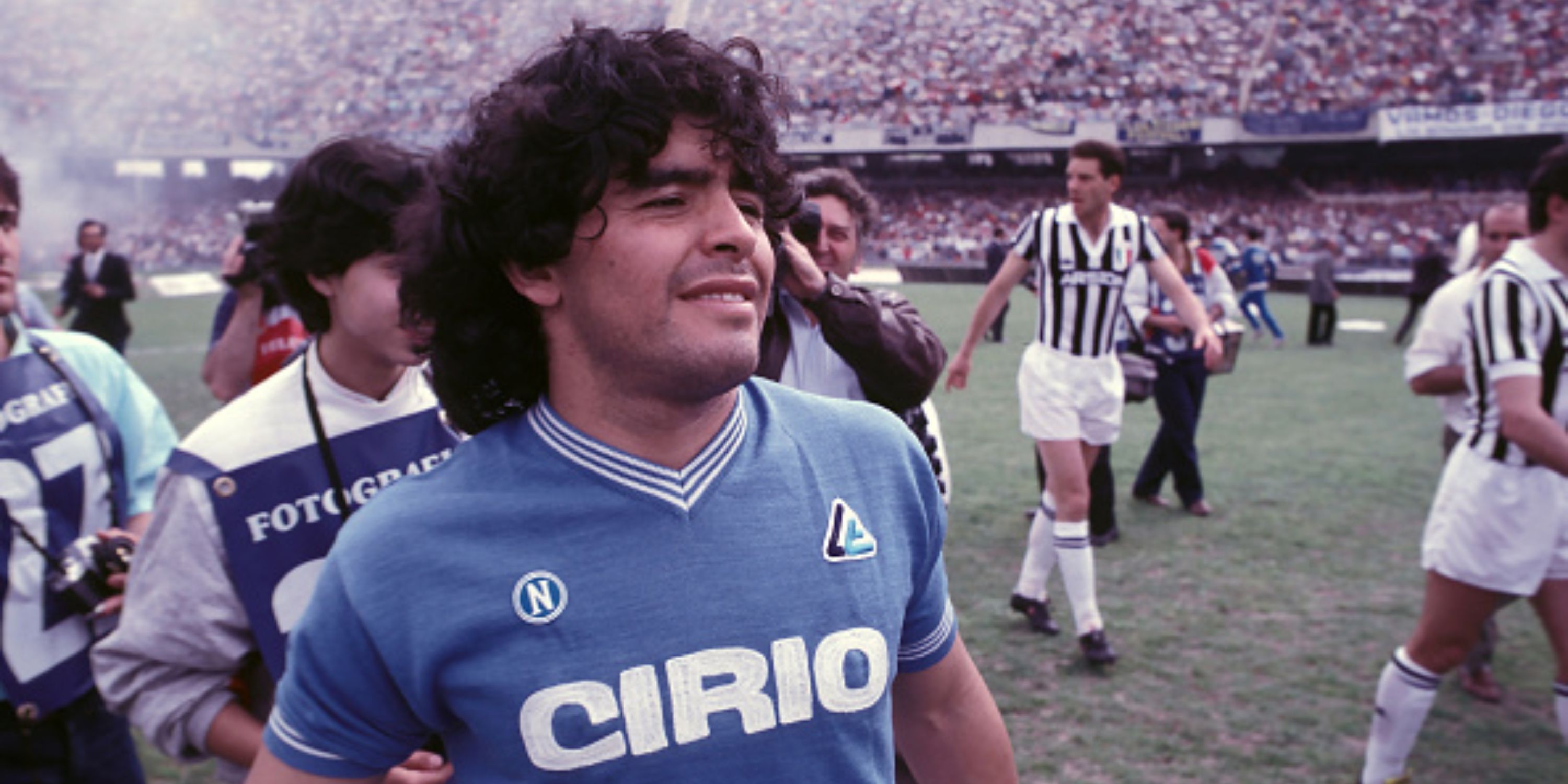
Diego Maradona, hailed as one of the greatest footballers of all time, emerged from humble beginnings in the outskirts of Buenos Aires, Argentina, to become a football prodigy destined for greatness. Born on October 30, 1960, Maradona grew up in Villa Fiorito, a poverty-stricken neighborhood where football served as a refuge from the hardships of daily life. From a young age, Maradona displayed an innate talent for the game, mastering the art of dribbling and exhibiting exceptional ball control that belied his diminutive stature.
Maradona’s rise to prominence began in the late 1970s when he caught the attention of scouts from Argentinos Juniors, a local club in Buenos Aires. At just 15 years old, he made his professional debut for the club, showcasing his prodigious skills and electrifying the crowds with his flair and creativity on the pitch. It wasn’t long before Maradona’s talent outgrew the confines of Argentina, and in 1982, he made a record-breaking transfer to FC Barcelona, marking the beginning of his illustrious international career.
However, it was Maradona’s unforgettable performances in the 1986 FIFA World Cup in Mexico that solidified his status as a footballing legend. Throughout the tournament, Maradona exhibited a mesmerizing display of skill, determination, and sheer brilliance that captivated the world. Two moments, in particular, stand out as iconic examples of Maradona’s genius: the “Hand of God” goal and the “Goal of the Century” against England in the quarter-finals.
The “Hand of God” goal, scored during Argentina’s quarter-final match against England, remains one of the most controversial moments in football history. In a swift and cunning move, Maradona used his hand to punch the ball into the net, deceiving the referee and securing a crucial goal for Argentina. Despite the blatant infringement, the goal stood, sparking outrage and debate among fans and pundits alike.
In the same match, Maradona went on to score what is widely regarded as the “Goal of the Century.” Picking up the ball in his own half, Maradona embarked on a mesmerizing solo run, dribbling past five England players before slotting the ball past the goalkeeper with clinical precision. The goal showcased Maradona’s unparalleled skill, vision, and audacity, cementing his place in footballing folklore.
Maradona’s impact on football culture transcended his on-field exploits. His charisma, passion, and larger-than-life personality endeared him to fans around the world, elevating him to the status of a global icon. Whether it was his electrifying performances on the pitch or his outspoken advocacy for social justice off it, Maradona captured the hearts and imaginations of millions, leaving an indelible mark on the sport and popular culture.
Despite his untimely passing in November 2020, Maradona’s legacy continues to endure. His enduring influence on the game of football, coupled with his undeniable talent and charisma, ensures that he will forever be remembered as one of the greatest players to ever grace the pitch.
From his humble beginnings in Villa Fiorito to his meteoric rise to stardom on the world stage, Diego Maradona’s journey remains a testament to the power of talent, determination, and the enduring spirit of the beautiful game.
3. Lionel Messi: The Magician
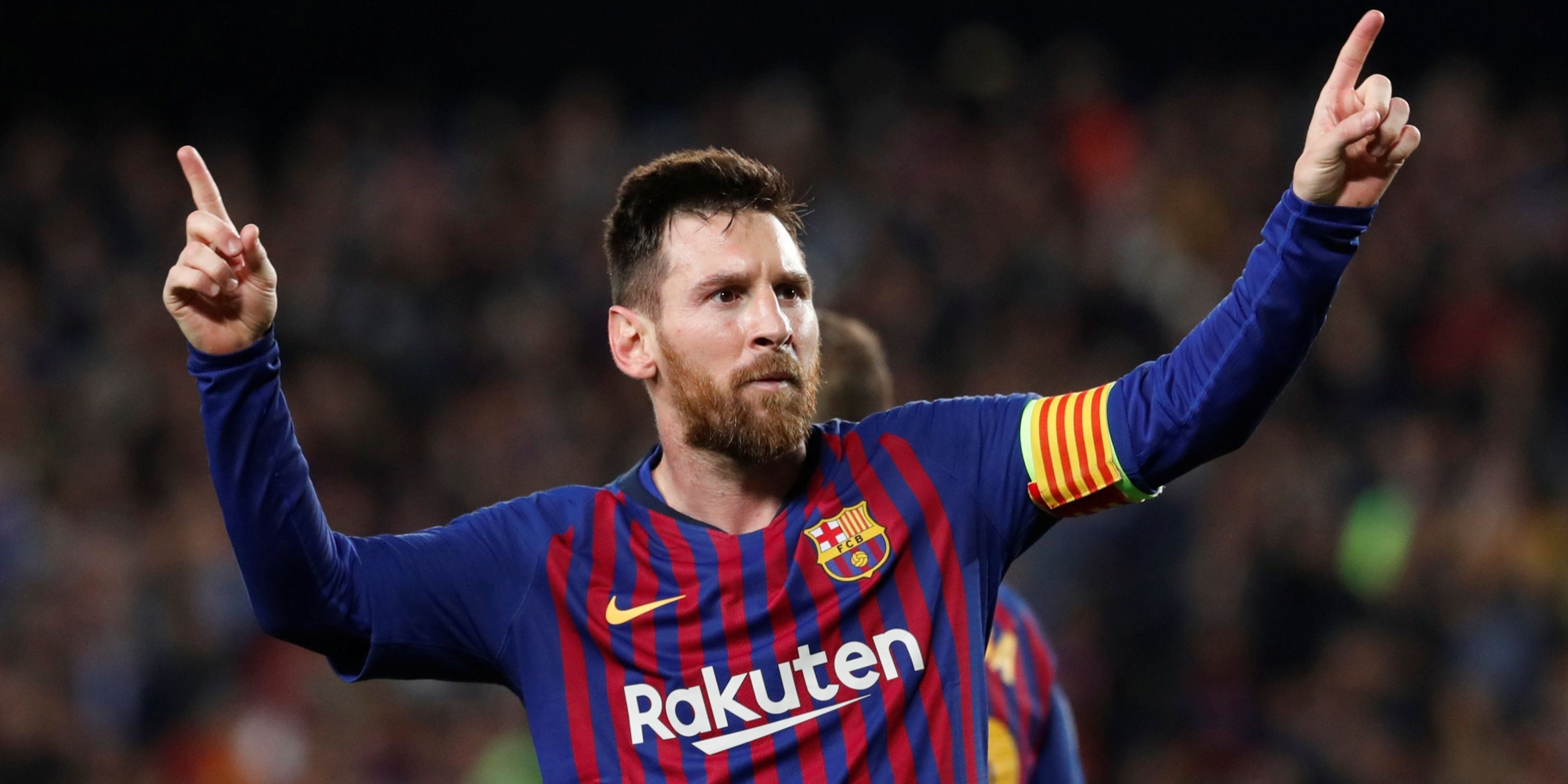
Lionel Messi, often referred to as the greatest footballer of all time, has captivated the world with his mesmerizing talent, unparalleled skill, and remarkable humility. From his humble beginnings in Rosario, Argentina, to his legendary status at FC Barcelona, Messi’s journey to superstardom is nothing short of extraordinary.
Introduction to Messi’s Early Years in Argentina and his Journey to FC Barcelona
Born on June 24, 1987, in Rosario, Argentina, Messi’s passion for football was evident from a young age. Growing up in a working-class neighborhood, he honed his skills playing street football with his friends, mastering the art of dribbling and showcasing his innate talent for the game.
At the age of 13, Messi caught the eye of FC Barcelona’s talent scouts during a youth tournament in Argentina. Impressed by his exceptional ability, Barcelona offered Messi the opportunity of a lifetime: to join their prestigious youth academy, La Masia, and pursue his dreams of becoming a professional footballer.
Messi’s transition to life in Spain was not without its challenges. At just 13 years old, he left behind his family and friends in Argentina to pursue his footballing ambitions in a foreign land. However, Messi’s talent quickly shone through, and he rose through the ranks of Barcelona’s youth system with astonishing speed.
In 2004, at the age of 17, Messi made his first-team debut for Barcelona, marking the beginning of a historic career that would redefine the sport of football.
Analysis of Messi’s Extraordinary Career Achievements
Messi’s list of achievements reads like a footballing fairy tale, with numerous records and accolades to his name. He has won an unprecedented number of Ballon d’Or awards, recognizing him as the best player in the world multiple times throughout his career. Messi has also amassed an astonishing number of goals and assists, breaking countless records along the way.
One of Messi’s most remarkable achievements is his incredible consistency and longevity at the highest level of the game. Despite facing fierce competition from rival players and enduring injuries throughout his career, Messi has remained at the pinnacle of football for over a decade, continuing to mesmerize fans with his breathtaking performances week in and week out.
Exploration of Messi’s Playing Style, Skills, and Unique Contributions to the Game
Messi’s playing style is characterized by his exceptional dribbling ability, lightning-quick acceleration, and uncanny ability to change direction at will. His low center of gravity and impeccable ball control allow him to maneuver past defenders with ease, leaving them trailing in his wake.
In addition to his dribbling prowess, Messi is also renowned for his vision, creativity, and playmaking ability. He possesses an innate understanding of the game, often orchestrating Barcelona’s attacking play with his precise passing and intelligent movement off the ball.
What sets Messi apart from his peers is his unique ability to produce moments of magic when it matters most. Whether it’s a sublime solo goal, a perfectly weighted through ball, or a pinpoint free-kick, Messi has a knack for producing the extraordinary when his team needs it most, earning him the nickname “The Magician” among fans and pundits alike.
Beyond his individual brilliance, Messi’s contributions to the game extend far beyond the football pitch. He is a role model and inspiration to millions of aspiring footballers around the world, known for his humility, sportsmanship, and dedication to his craft.
In conclusion, Lionel Messi’s journey from a young boy kicking a ball on the streets of Rosario to a global footballing icon is a testament to the power of talent, determination, and perseverance. His extraordinary career achievements, unparalleled skill, and unique contributions to the game have solidified his legacy as one of the greatest footballers of all time, leaving an indelible mark on the sport that will be cherished for generations to come.
4. Cristiano Ronaldo: The Machine
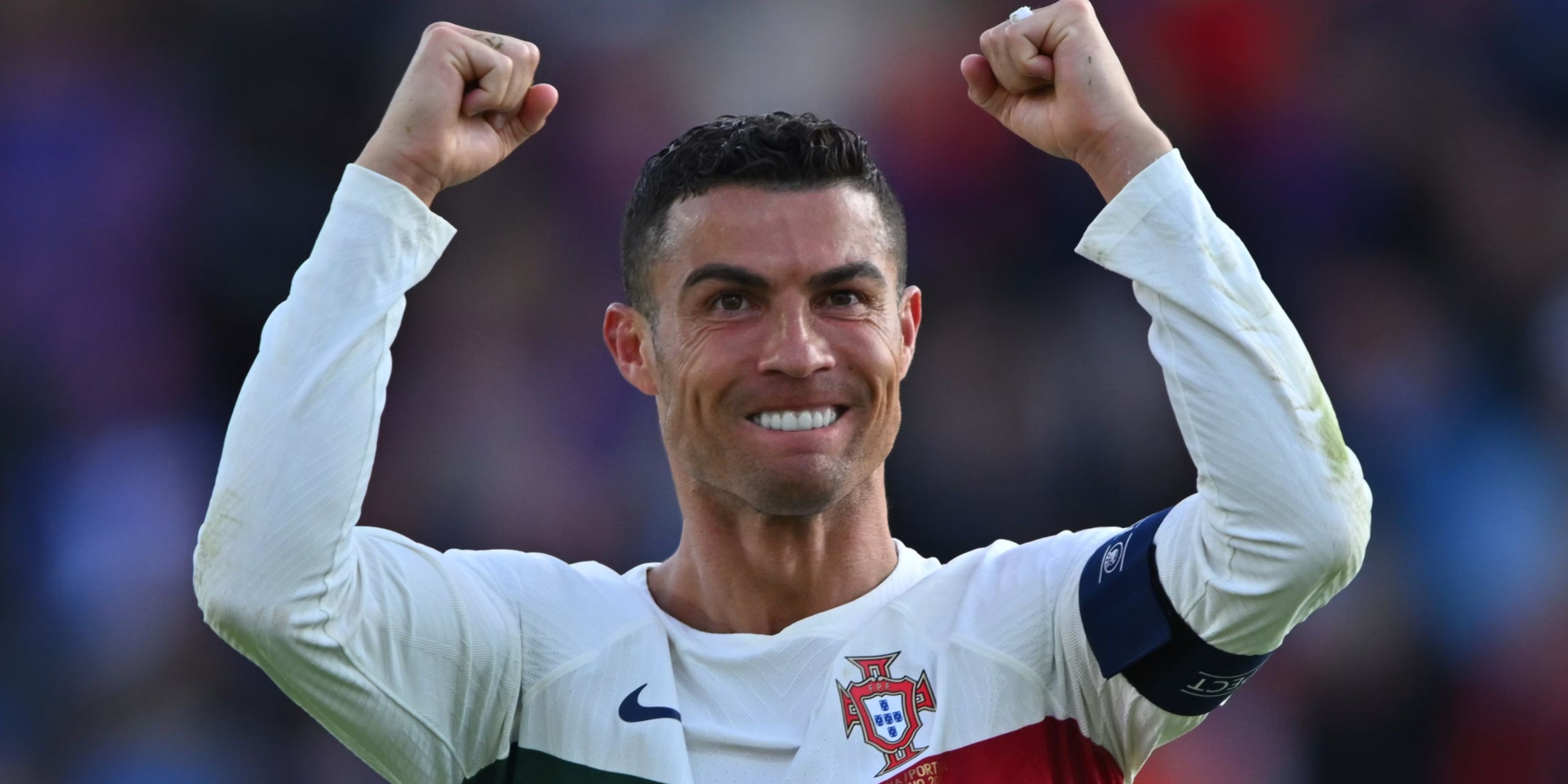
Cristiano Ronaldo, widely regarded as one of the greatest footballers of all time, is a testament to the relentless pursuit of excellence and unwavering dedication to his craft. From his humble beginnings in Madeira, Portugal, to his illustrious career at some of the biggest clubs in the world, Ronaldo’s journey to superstardom is a story of perseverance, talent, and unyielding ambition.
Background Information on Ronaldo’s Upbringing in Portugal and his Development as a Footballer
Born on February 5, 1985, in Funchal, Madeira, Cristiano Ronaldo dos Santos Aveiro grew up in a working-class family, where football was a way of life. From a young age, Ronaldo displayed an exceptional talent for the game, honing his skills playing street football with his friends and brothers.
Ronaldo’s early years were marked by hardship and sacrifice, as he left his family and home at the age of 12 to pursue his footballing dreams at the Sporting Lisbon academy. It was here that Ronaldo’s talent blossomed, catching the eye of scouts from some of Europe’s top clubs.
In 2003, at the age of 18, Ronaldo made the move to Manchester United, marking the beginning of a historic career that would see him become one of the most decorated footballers in history.
Highlights of Ronaldo’s Career Milestones
Ronaldo’s career is punctuated by numerous milestones and accolades, beginning with his breakthrough at Manchester United. During his six-year spell at the club, Ronaldo won three Premier League titles, a UEFA Champions League title, and his first Ballon d’Or award, establishing himself as one of the best players in the world.
In 2009, Ronaldo made a then-world record transfer to Real Madrid, where he enjoyed unparalleled success. During his nine years at the club, Ronaldo won four Champions League titles, four Ballon d’Or awards, and became the club’s all-time leading goal scorer.
In 2018, Ronaldo made another high-profile move, this time to Juventus, where he continued to defy expectations and set new records. Despite his advancing age, Ronaldo’s hunger for success remained undiminished, as he led Juventus to multiple Serie A titles and continued to showcase his scoring prowess on the biggest stage.
Examination of Ronaldo’s Athleticism, Versatility, and Relentless Pursuit of Excellence
Ronaldo’s success on the football pitch can be attributed to his exceptional athleticism, versatility, and unwavering work ethic. Blessed with lightning-quick speed, explosive power, and impeccable aerial ability, Ronaldo possesses all the physical attributes of a modern-day footballing machine.
In addition to his athleticism, Ronaldo is also known for his versatility and adaptability on the pitch. Equally comfortable playing as a winger, striker, or attacking midfielder, Ronaldo’s ability to excel in multiple positions makes him a nightmare for opposing defenders.
However, it is Ronaldo’s relentless pursuit of excellence that truly sets him apart from his peers. Known for his insatiable appetite for success, Ronaldo’s work ethic and determination to be the best have propelled him to the pinnacle of the sport, earning him the admiration and respect of fans and fellow professionals alike.
In conclusion, Cristiano Ronaldo’s journey from a young boy with a dream to a global footballing icon is a testament to the power of talent, dedication, and perseverance. His extraordinary career achievements, unparalleled athleticism, and relentless pursuit of excellence have solidified his legacy as one of the greatest footballers of all time, leaving an indelible mark on the sport that will be cherished for generations to come.
5. Johan Cruyff: The Total Footballer
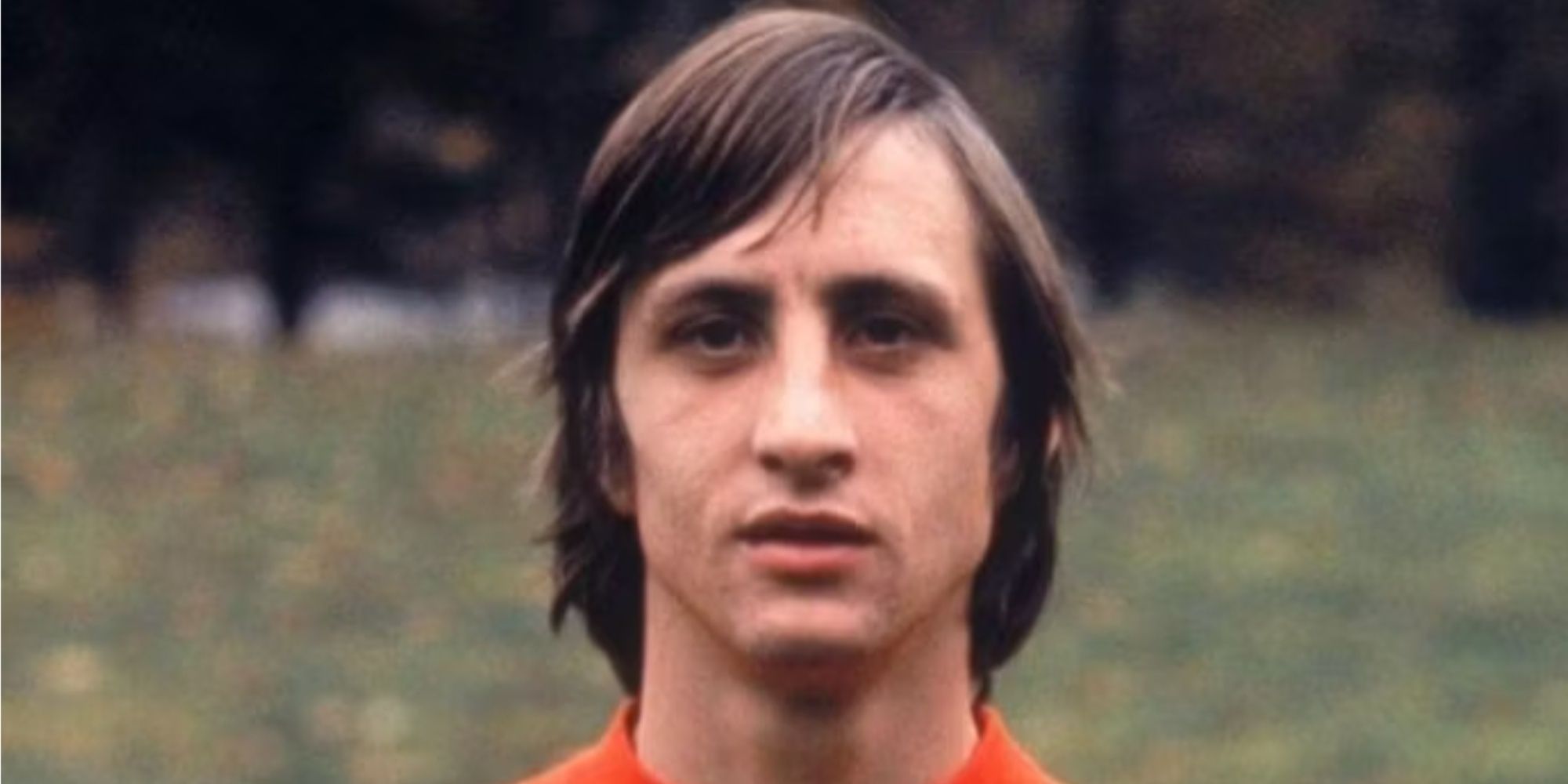
Johan Cruyff, often hailed as one of the greatest footballers of all time, left an indelible mark on the sport through his revolutionary playing style, tactical innovations, and enduring influence on the game. From his formative years in the Netherlands to his iconic performances with Ajax and the Dutch national team, Cruyff’s legacy as “The Total Footballer” continues to inspire generations of players, coaches, and football enthusiasts worldwide.
Overview of Cruyff’s Formative Years in the Netherlands and His Revolutionary Impact on the Game
Born on April 25, 1947, in Amsterdam, Johan Cruyff’s passion for football was ignited at a young age. Growing up in post-war Amsterdam, Cruyff honed his skills playing street football with his friends, developing an intuitive understanding of the game’s intricacies and nuances.
Cruyff’s breakthrough came in the late 1960s when he emerged as a star player for Ajax Amsterdam, a club renowned for its commitment to attacking football and youth development. Under the guidance of legendary coach Rinus Michels, Cruyff flourished, showcasing his extraordinary talent and visionary approach to the game.
It was during this time that Cruyff helped pioneer the concept of “Total Football,” a revolutionary tactical philosophy characterized by fluid positional interchange, pressing, and attacking play. This innovative approach transformed the way football was played, emphasizing teamwork, creativity, and tactical intelligence over rigid positional structures.
Analysis of Cruyff’s Innovative Playing Style, Including His Role in Popularizing “Total Football” with Ajax and the Dutch National Team
At the heart of Cruyff’s playing style was his exceptional technical ability, vision, and footballing intelligence. As a forward, he possessed a unique combination of speed, agility, and finesse, allowing him to dribble past opponents with ease and create scoring opportunities for himself and his teammates.
However, what truly set Cruyff apart was his tactical versatility and understanding of the game. He was equally comfortable playing as a striker, attacking midfielder, or winger, seamlessly transitioning between roles to exploit gaps in the opposition’s defense.
Cruyff’s impact extended beyond the football pitch, as he played a pivotal role in popularizing “Total Football” both at Ajax and with the Dutch national team. Under his leadership, Ajax dominated domestic and European football, winning numerous league titles and three consecutive European Cups from 1971 to 1973.
On the international stage, Cruyff’s influence was equally profound, as he led the Netherlands to the final of the 1974 FIFA World Cup with a brand of football that captivated audiences and revolutionized the sport. Although the Dutch ultimately fell short in the final against West Germany, Cruyff’s legacy as a pioneer of Total Football was firmly established.
Discussion of Cruyff’s Enduring Influence as a Player, Coach, and Visionary Thinker in Football
After retiring as a player, Cruyff transitioned into coaching, where he continued to leave his mark on the game through his innovative tactics, emphasis on youth development, and commitment to attacking football. As the coach of Barcelona, Cruyff implemented his vision of “Total Football,” laying the foundation for the club’s future success and influencing a generation of players and coaches.
Off the field, Cruyff’s impact as a visionary thinker in football was equally significant. He was a vocal advocate for the importance of technical skill, tactical intelligence, and creativity in the modern game, challenging conventional wisdom and pushing the boundaries of footballing innovation.
In conclusion, Johan Cruyff’s legacy as “The Total Footballer” transcends his achievements on the pitch. His revolutionary playing style, tactical innovations, and enduring influence as a player, coach, and visionary thinker have shaped the course of football history and left an indelible mark on the sport that will be cherished for generations to come.
6. Franz Beckenbauer: The Kaiser
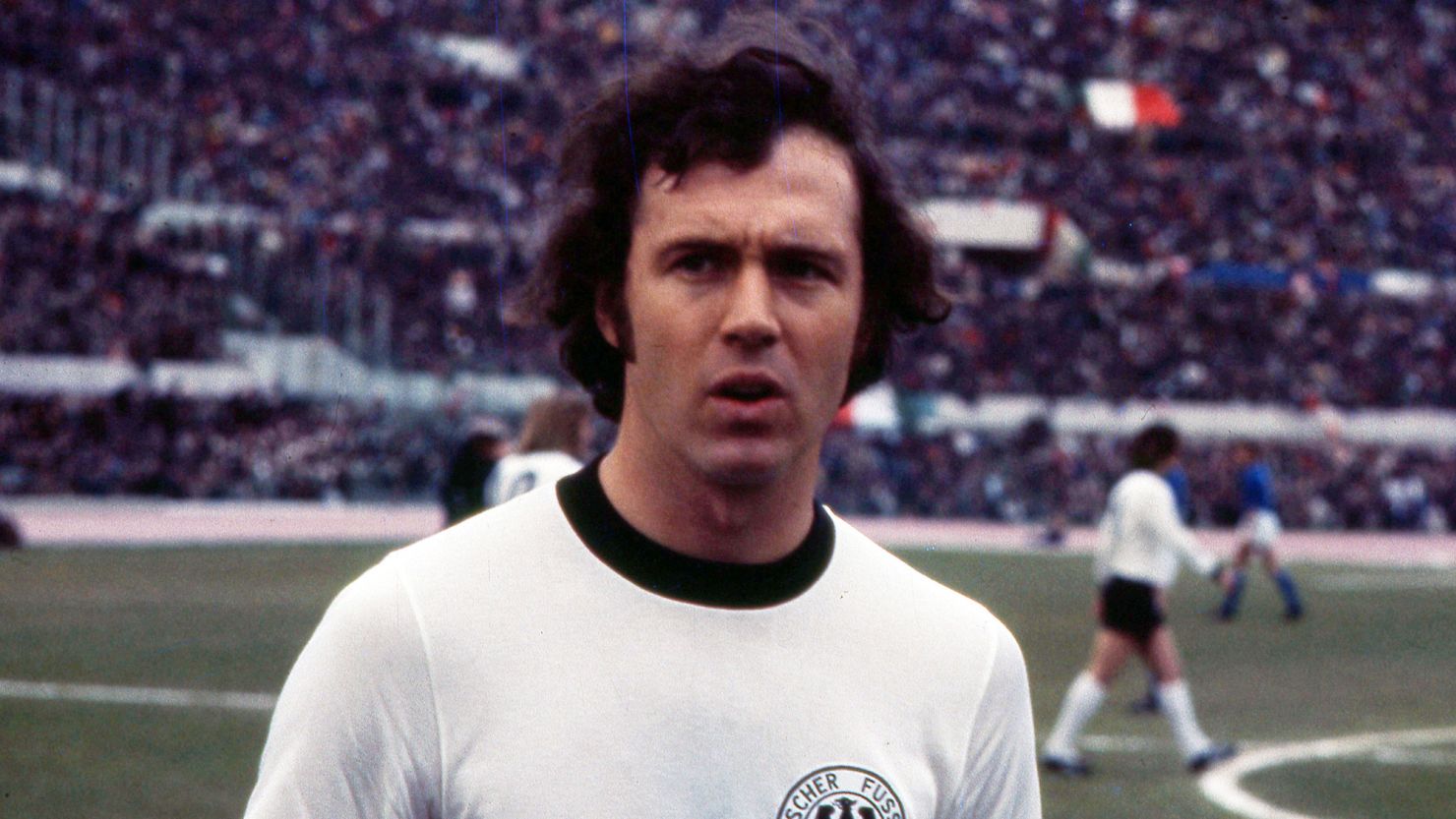
Franz Beckenbauer, affectionately known as “The Kaiser,” stands as one of the most influential figures in the history of football. From his humble beginnings in Munich, Germany, to his iconic leadership on the football pitch and groundbreaking contributions as a manager, Beckenbauer’s legacy is synonymous with excellence, innovation, and success.
Introduction to Beckenbauer’s Upbringing in Germany and His Ascent to Football Stardom
Born on September 11, 1945, in Munich, Franz Beckenbauer’s passion for football was evident from a young age. Growing up in post-war Germany, Beckenbauer honed his skills playing in the streets and parks of his neighborhood, demonstrating an innate talent for the game that would set him on a path to greatness.
Beckenbauer’s breakthrough came in the late 1960s when he joined Bayern Munich, the club where he would carve out his legendary status. As a versatile defender known for his composure on the ball, intelligence, and leadership qualities, Beckenbauer quickly established himself as a key figure in the Bayern Munich team, guiding the club to unprecedented success both domestically and in Europe.
Examination of Beckenbauer’s Leadership and Defensive Prowess
Beckenbauer’s influence on the game extended far beyond his individual skills as a player. As a sweeper, Beckenbauer redefined the role of the modern defender, combining defensive solidity with the ability to initiate attacks from the back. His exceptional reading of the game, tactical astuteness, and ability to organize the defense made him a formidable presence on the pitch and a natural leader on and off the field.
During his time at Bayern Munich and with the West German national team, Beckenbauer’s leadership qualities were evident in his ability to inspire and motivate his teammates to perform at their best. He led by example, demonstrating a tireless work ethic, a winning mentality, and a commitment to excellence that set the standard for those around him.
Analysis of Beckenbauer’s Managerial Career and His Lasting Impact on Football Strategy and Tactics
After retiring as a player, Beckenbauer transitioned seamlessly into management, where he continued to leave his mark on the game through his innovative tactics and strategic acumen. As the coach of both Bayern Munich and the German national team, Beckenbauer implemented a progressive style of play characterized by fluid passing, movement off the ball, and an emphasis on attacking football.
Beckenbauer’s managerial success was further enhanced by his ability to adapt to changing trends in the game and evolve his tactics accordingly. He embraced new ideas and innovations, constantly pushing the boundaries of football strategy and tactics to stay ahead of the competition.
Beyond his achievements on the field and the sidelines, Beckenbauer’s lasting impact on the game of football can be seen in the countless players and coaches he inspired and influenced throughout his career. His legacy as “The Kaiser” endures as a symbol of excellence, innovation, and leadership, leaving an indelible mark on the sport that will be cherished for generations to come.
Conclusion
In exploring the careers of the top football players discussed in this article, we have delved into the lives of sporting legends whose impact on the game transcends mere statistics and accolades. From Pele, the King of Football, to Lionel Messi, the Magician, and Cristiano Ronaldo, the Machine, each player has left an indelible mark on the sport through their extraordinary talent, dedication, and passion for the game.
Recap of the Careers and Contributions
Pele, with his unparalleled success on the international stage and his iconic performances in World Cup tournaments, forever changed the way football was played and perceived. Diego Maradona’s sublime skill and unforgettable moments continue to inspire awe and admiration, while Johan Cruyff’s pioneering tactics and innovative playing style revolutionized the game. Franz Beckenbauer’s leadership and defensive prowess set new standards for excellence, while his managerial career ushered in a new era of strategic innovation in football.
Reflection on Enduring Legacies
The enduring legacies of these iconic figures extend far beyond the boundaries of the football pitch. Their influence on the evolution of football culture, tactics, and strategy has shaped the sport as we know it today. Whether it’s Cruyff’s Total Football philosophy, Beckenbauer’s sweeping defensive style, or Messi and Ronaldo’s relentless pursuit of excellence, the impact of these players will be felt for generations to come.
Closing Thoughts on Subjectivity and the Greatest Player of All Time Debate
As we reflect on the careers of these legendary footballers, it’s important to recognize the subjective nature of ranking players and the ongoing debate over who deserves the title of the greatest player of all time. While statistics and achievements provide valuable insight into a player’s legacy, the essence of greatness transcends mere numbers. It encompasses intangible qualities such as leadership, sportsmanship, and the ability to inspire others.
In the end, the question of the greatest player of all time may never have a definitive answer. Each era produces its own icons, each with their own unique contributions to the game. What remains undeniable, however, is the enduring impact of these iconic figures on the world of football, their legacy immortalized in the hearts and minds of fans around the globe.